
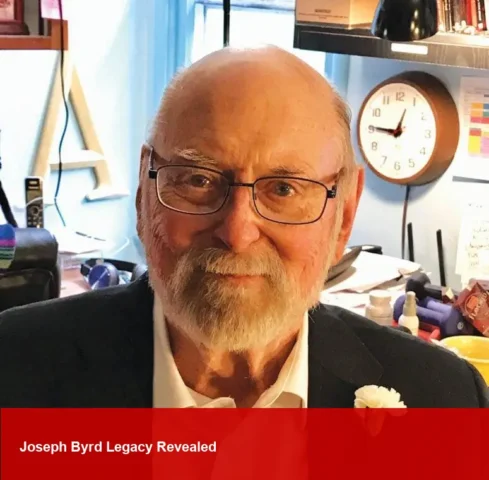
Joseph Byrd, the 87-year-old composer and founder of the groundbreaking 1960s band The United States of America, died on November 2. His passing was confirmed by friend and former wife Angela Blackthorne Biggs; no cause of death has been disclosed.
Fast Facts
- Age: 87 — Died November 2.
- Best known as founder and creative leader of The United States of America (formed 1967).
- Landmark release: The United States of America (1968) — hailed as a psychedelic and avant‑garde classic.
- Early adopter of synthesizers, ring modulators and tape loops in rock music.
- Also a Fluxus artist, film composer and longtime music educator.

A legacy of sonic innovation
Byrd emerged from the avant‑garde Fluxus scene and brought that experimental ethos into popular music. In 1967 he formed The United States of America; their self‑titled 1968 album fused rock, classical composition techniques and the era’s earliest electronic instruments. The record — notable for its use of ring modulators, tape loops and primitive synthesizers — is widely cited by critics and historians as a direct ancestor to later art‑rock and electronic music movements.
Though the band dissolved soon after their single album, Byrd remained prolific. He released solo works such as The American Metaphysical Circus, composed scores for films including Lions Love and The Ghost Dance, and worked on commercial and television projects that showcased his capacity to shape sound in unexpected places.
Beyond recordings, Byrd taught at institutions including California State University, mentoring students with the same boundary‑pushing approach that defined his career. His influence rippled through generations of musicians who adopted electronic textures and experimental arrangements as mainstream tools.
Tributes and reaction
News of Byrd’s death prompted a wave of tributes from fans, music historians and former collaborators. Social posts urged a rediscovery of the 1968 album, calling it a “great, classic psych record,” while critics highlighted how his early experimentation anticipated sounds that later dominated rock and electronic music.
Angela Blackthorne Biggs remembered Byrd as a “brilliant musician” who lived on his own terms, a sentiment echoed by colleagues who praised his restless curiosity and refusal to be boxed into a single genre. Commentators also noted his varied output — from avant‑garde performances to TV themes and sound development for consumer products — as evidence of a restless and practical musical intelligence.
The passing of Joseph Byrd marks the loss of a true sonic pioneer. His work with The United States of America remains a vital touchstone for experimental music and continues to inspire artists who seek new sounds and new rules.
Quick Q&A
Who was Joseph Byrd? An American composer, Fluxus artist, bandleader and educator best known for founding The United States of America and for bringing early electronic techniques into rock.
Why does the 1968 album matter? Its integration of synthesizers, tape manipulation and classical arranging expanded what rock could sound like and paved the way for later electronic and art‑rock innovations.
What else did he do? Byrd released solo albums, composed film scores, worked in commercial sound design and taught music at the university level.
Image Referance: https://inews.zoombangla.com/experimental-music-pioneer-joseph-byrd-of-the-united-states-of-america-dies-at-87/