
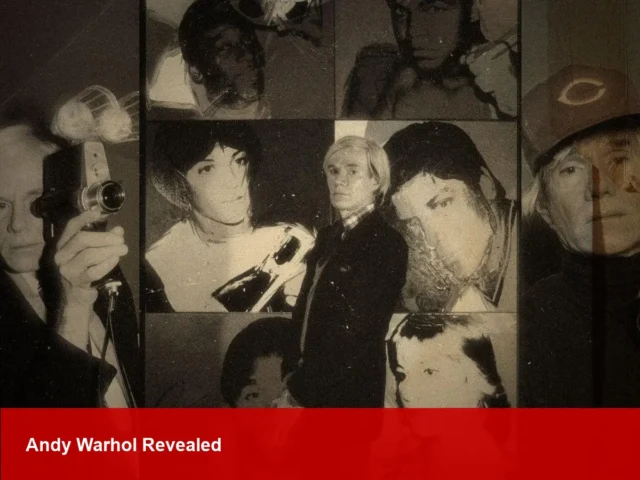
Andy Warhol, the 58-year-old pop art icon, died on February 22, 1987, from a postoperative cardiac arrhythmia following gallbladder surgery. His sudden passing didn’t just end a life — it altered the pulse of New York City’s nightlife and cultural scene almost overnight.
- Fast Facts
- Date of death: February 22, 1987
- Age: 58
- Cause: Postoperative cardiac arrhythmia after gallbladder surgery
- Immediate impact: New York nightlife and the city’s sense of cool shifted dramatically
- Notable posthumous reflection: Jesse Kornbluth’s “The World of Warhol” in New York Magazine (published weeks later)
As a New Yorker at the time, many remember the moment like a streetlight snapped off — parties kept going, but the atmosphere had changed. That feeling is the heart of Jesse Kornbluth’s New York Magazine essay, written three weeks after Warhol’s death, which rendered the artist vulnerable and, in doing so, revealed how much of the city’s cultural validation depended on his presence.
The anecdotes are stark: Warhol’s rituals (three bites of a hot-fudge sundae, planned movie nights) and small gestures (signing bottles of perfume for friends) became the human details that punctured the myth of his immortality. For a generation, seeing Warhol at a party meant a night mattered — he was the quiet mirror reflecting who and what was truly cool. When that mirror cracked, New York felt a little less sure of itself.
The Legacy
Warhol’s work and influence remain central to modern art and culture. Top achievements include:
- Campbell’s Soup Cans (1962) — the image that redefined everyday objects as art.
- Marilyn Diptych (1962) — a landmark meditation on fame, repetition and mortality.
- The Factory and Interview magazine — Warhol’s social engine that fused art, fashion, film and nightlife into a new cultural currency.
Beyond canvases and photos, Warhol’s films (like Chelsea Girls), his embrace of celebrity-as-subject, and his role as a connector across scenes made him a cultural North Star. His death signaled more than the loss of an artist; it marked the end of a mode of New York — messy, dangerous, glamorous and generative — that would be smoothed and monetized in the years after.
Social Proof & Reactions
The immediate reaction in New York was one of stunned recognition: journalists, club-goers, artists and fashion figures described a city whose nights no longer carried the same validation. Kornbluth’s piece, published weeks after the death, did not mythologize Warhol; it humanized him, and readers felt the loss like a civic grief. Tributes flowed from galleries, magazines, and friends; later retrospectives at museums and renewed critical study have only reinforced the sense that Warhol’s death was a watershed for both art and urban culture.
For those who lived through that moment, the memory of the cover story hitting newsstands — yellowed pages kept in boxes, a headline that felt like a funeral bell for downtown glamour — remains vivid. The city continued, but the particular kind of steam and improvisational cool that Warhol’s presence validated was gone. In that way, his death didn’t simply close a chapter: it changed the way New York saw itself.
Image Referance: https://dangerousminds.net/comments/how-andy-warhols-death-changed-new-york-city-forever/