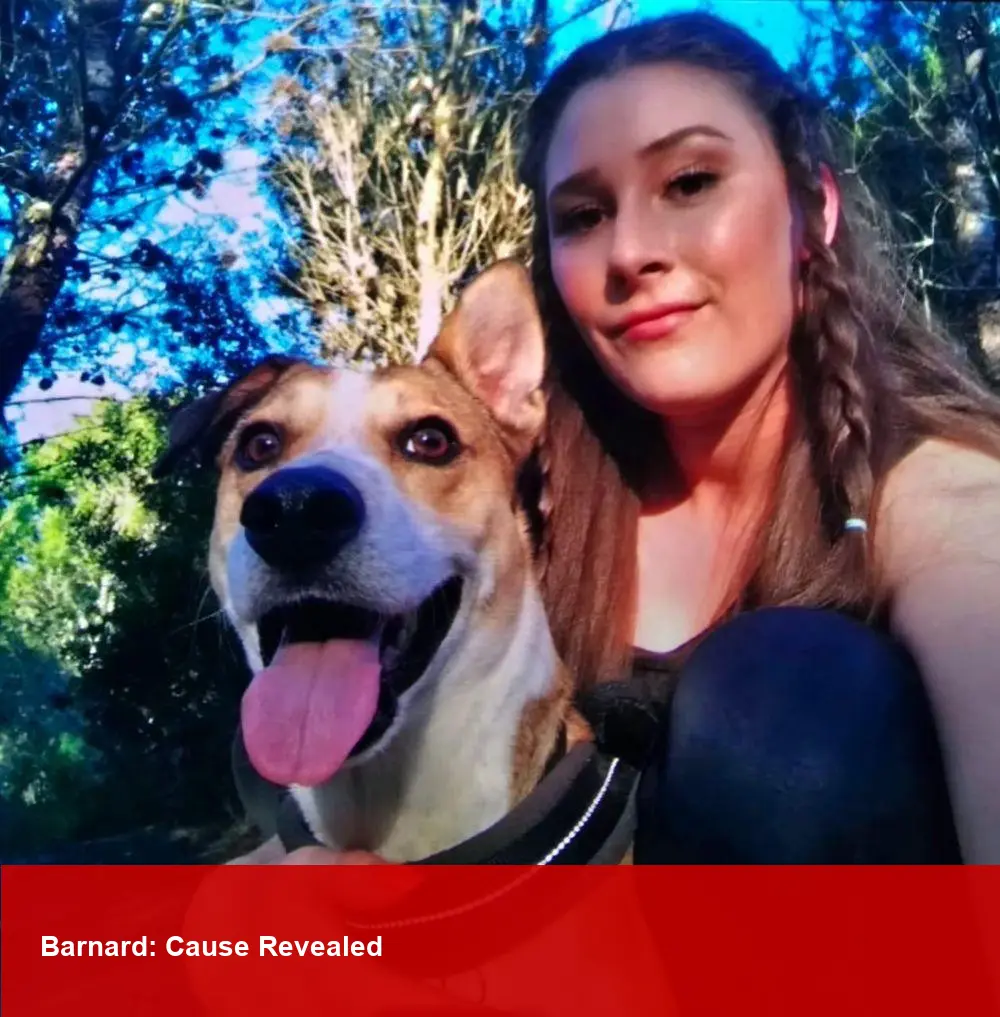
Monique Barnard, 30, was found dead last month in Gqeberha in an apparent suicide after receiving a devastating message telling her she “could not be helped,” her mother Hettie Barnard says. The family says the message crushed Monique and is linked to her death.
- Fast Facts:
- Victim: Monique Barnard, 30, living in Gqeberha on family property.
- Date: Found on November 19 with a rope around her neck; declared dead at the scene.
- Trigger: Family says Monique received a message saying she “could not be helped” with self-harm threats.
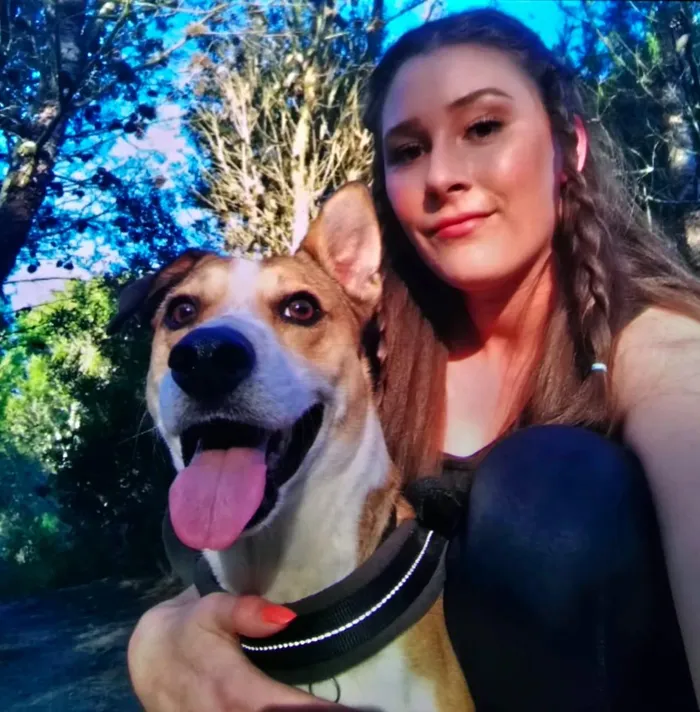
- Home detail: Her dog Toby now waits by the front door for her return.
- Context: Part of IOL’s Don’t Look Away series investigating cyberbullying, suicide and gender-based violence.
The story behind the sorrow
For weeks Hettie Barnard has been greeted each morning by Toby, the dog who sat with Monique for years. “Every time I look at the front door, Toby looks at me waiting for Monique to come back,” Hettie told reporters. She described discovering her daughter on the morning of November 19 with a rope around her neck and having to cut it free — but it was too late.
Her legacy — small acts, lasting impact
Monique may not have been a public figure, but family and friends remember three things that defined her:
- Animal rescuer: She loved animals and once helped save a penguin, a memory her mother repeats with a bittersweet smile.
- Kindness to children: Family say she had a natural warmth with kids and would go out of her way to protect them.
- Beloved daughter and sibling: Her family — father, sister, grandparents and Hettie — say she was loved unconditionally.
Why this matters: experts and community reaction
Monique’s death has reopened urgent questions about online safety and how harmful messages can follow a person everywhere. Digital expert Arthur Goldstuck told IOL that hateful or despairing messages are uniquely damaging because “they follow you home, onto your phone, and even into your bedroom,” eroding self-worth and entrenching anxiety.
Legal expert Emma Sadlier criticised social platforms for failing users, noting liability shields like Section 230 often leave victims with limited recourse. Influencers and creators who spoke to IOL — including Cedric Laguma, Yasien Fredericks and Ismaeel Bagus — described how relentless trolling and hateful comments can wear down even resilient personalities.
Nelson Mandela University Vice-Chancellor Professor Sibongile Muthwa also issued a statement of condolence after another recent student death, underscoring how mental-health crises are rippling through communities and campuses.
Family plea: notice the signs
Hettie is speaking publicly now to urge other parents to spot small changes: withdrawal from friends, loss of interest in activities, shifts in sleep or appetite, sudden fatalistic posts, or a pattern of being targeted online. “You never imagine losing your child like this,” she said. “You never think it will be your child. And now I have to try to live with that, one day at a time.”
What experts advise
- Look for behavioural changes: isolation, obsessive consumption of despairing content, and goodbye-style posts.
- Use platform tools: reporting, blocking and keyword filters can create breathing room — but they are coping tools, not prevention.
- Speak up: tell a friend, partner or therapist; victims should not carry the hurt alone.
Community response and calls for action
Responses have ranged from private condolences to public calls for better platform accountability. Anti-bullying NGOs point to newly compiled data showing more than 11,000 incidents reported in public schools over the past year, with cyberbullying a significant component. Advocates say platforms must do more to remove harmful content quickly and support victims.
Monique’s family ask people to remember her for her compassion and for the small, meaningful acts that defined her life. They hope sharing her story will help other families notice warning signs earlier.
If you or someone you know is struggling with depression or being bullied, contact 0800-567-567 for free counselling, crisis intervention and referrals — available seven days a week, 365 days a year.
This piece is part of IOL’s “Don’t Look Away” series on online bullying, mental health and gender-based violence.
Image Referance: https://iol.co.za/news/south-africa/2025-12-09-dont-look-away–mother-speaks-about-daughters-suicide-after-she-received-crushing-message-linked-to-her-death/