
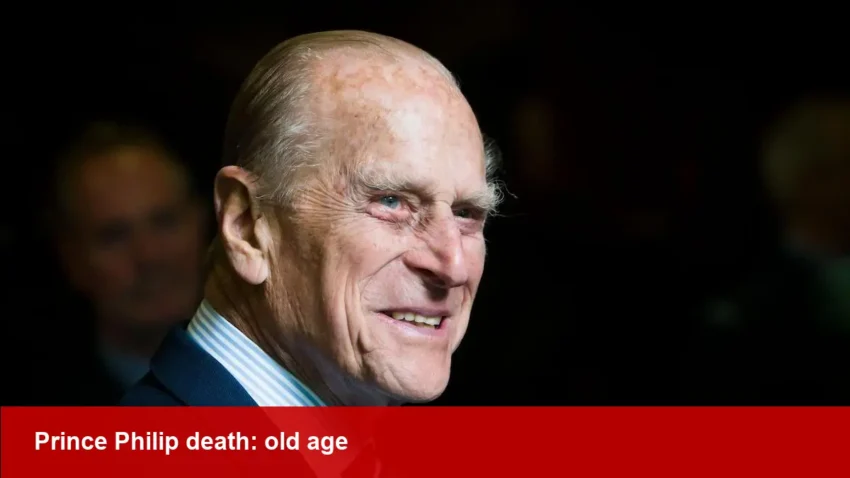
Prince Philip, Duke of Edinburgh died at Windsor Castle on April 9, 2021. Born in 1921 on Corfu and later known as Philip Mountbatten, the duke lived to nearly 100. A new biography by Hugo Vickers recounts previously undisclosed details about his health and final night, and recalls the intimate family funeral that produced the iconic image of the Queen seated alone.

New revelations from Hugo Vickers
In a biography of Queen Elizabeth II serialized in the Mail on Sunday, biographer Hugo Vickers reports that during an eleven-day hospital stay in June 2013 doctors detected a shadow on Prince Philip’s pancreas. Vickers writes that the verdict was “inoperable pancreatic cancer,” and that the duke lived with the illness for eight years. The book also notes that Prince Philip’s official death certificate lists “old age” as the cause of death.
Vickers, who has covered royal events since the 1970s, places the 2013 diagnosis four years before Philip stepped back from public duties. The retirement, formally announced in 2017 when he was 96, marked the end of decades of public service.
Final night, funeral and public moments
According to Vickers, the duke’s final night was private and understated. He reportedly slipped from his room at Windsor Castle with the help of a walker to reach a sitting room and have a beer — a detail that adds to his long-held reputation for unpretentious tastes. “The next morning, he got up, took a bath, said he wasn’t feeling well, and quietly slipped away,” Vickers writes.
Philip’s funeral on April 17, 2021, at Windsor Castle was described as a more intimate, family-centered farewell than a state service. The occasion produced the now-iconic image of Queen Elizabeth II sitting alone, a moment widely remarked upon as emblematic of their long partnership and the personal loss she suffered after 73 years of marriage.
Career highlights and public service
Prince Philip served as the Duke of Edinburgh and carried out numerous public duties over many decades. The biography and contemporaneous coverage note his retirement from public life in 2017 and recall public moments such as his role as Captain General, when he reviewed the troops in the forecourt of Buckingham Palace in his final official appearances.
He was also noted for his personal interests: after doctors advised him to stop playing polo he took up carriage driving, a passion he pursued into later life.
Family, legacy and reaction
The funeral brought together members of the royal family. Attendees listed in reports included Prince Charles, Prince William and Prince Harry, among others. Vickers also reports that in 2019 rumors about Philip’s health were sufficiently serious that contingency plans around the general election were reportedly discussed, and that some believed the duke was determined to hold on so as not to disrupt public affairs.
Vickers adds a characteristic observation: “As so often happened in life, he left without saying goodbye,” reinforcing accounts of Prince Philip as a strong-willed and private figure whose personal courage and practicality shaped both public duties and private life.
Reportage reproduced in the cited biography and contemporaneous coverage is sourced to Hugo Vickers and the serialized material in the Mail on Sunday.
Image Referance: https://www.hola.com/us/royals/20260331892860/prince-philip-final-hours-queen-alone/